

Blog
Winter Furnace Maintenance Checklist for Poughkeepsie Homes
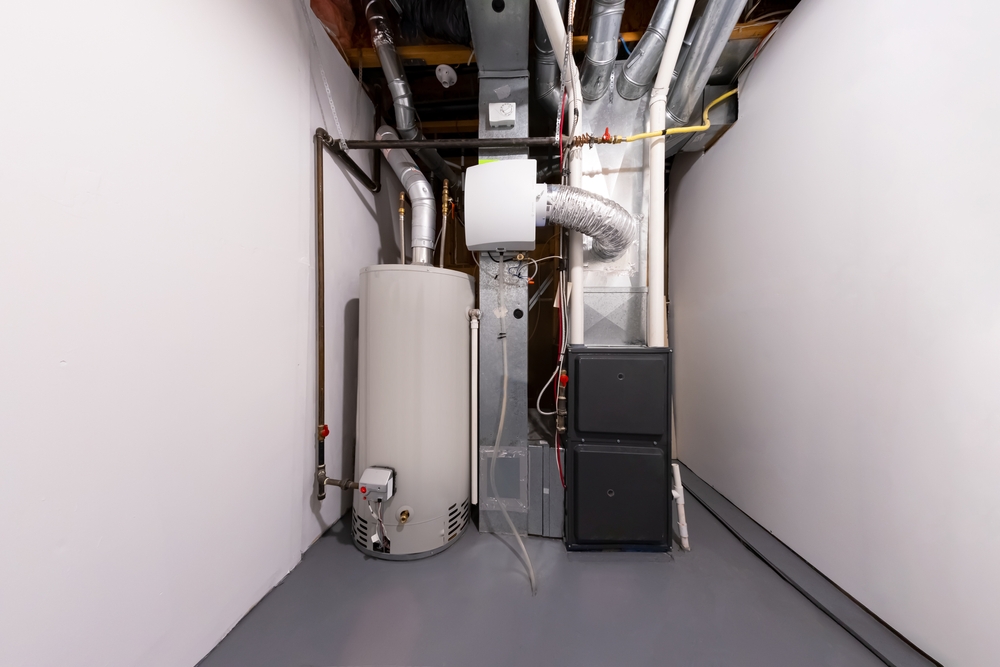
New York is not known for its mild climate. The winters here are harsh, and HVAC winter maintenance is a necessity. In Poughkeepsie, especially, where temperatures can drop to 17°F or lower for days at a time, winter readiness is essential for safe, consistent heating.
This HVAC winter checklist will help prevent emergency repairs in the heart of winter and keep heating costs manageable.
Pre-Winter Inspection Steps
A thorough system inspection is the foundation of winter readiness. Before the first frost hits, walk through this essential list.
- Check the thermostat: Make sure your thermostat powers on, maintains settings, and accurately reads the room’s temperature.
- Replace air filters: Swap your furnace filter before winter begins and again every one to three months throughout the season.
- Clean vents: Dust, debris, and pet hair can restrict airflow. Remove vent covers, vacuum thoroughly, and ensure each register blows warm air when the system is running.
- Inspect ductwork: Look for loose connections, gaps, sagging sections, or discolored insulation. These are signs of air leaks that drive up heating costs.
- Check your pilot light: Standby pilot lights should burn steady and blue; yellow or flickering flames may signal ventilation issues or carbon monoxide risks.
Cleaning and Tune-Up Tasks
Poughkeepsie furnace care doesn’t need to be complicated. These simple steps can clean out your system and keep things running safely. Here’s what to complete before temperatures drop:
- Vacuum the furnace area: Dust and debris increase fire risk and can interfere with combustion. Clear clutter around the furnace and gently vacuum exterior surfaces.
- Lubricate moving parts: Belts, motors, and internal bearings must run smoothly. If you hear squealing or rattling, lubrication or part replacement may be needed.
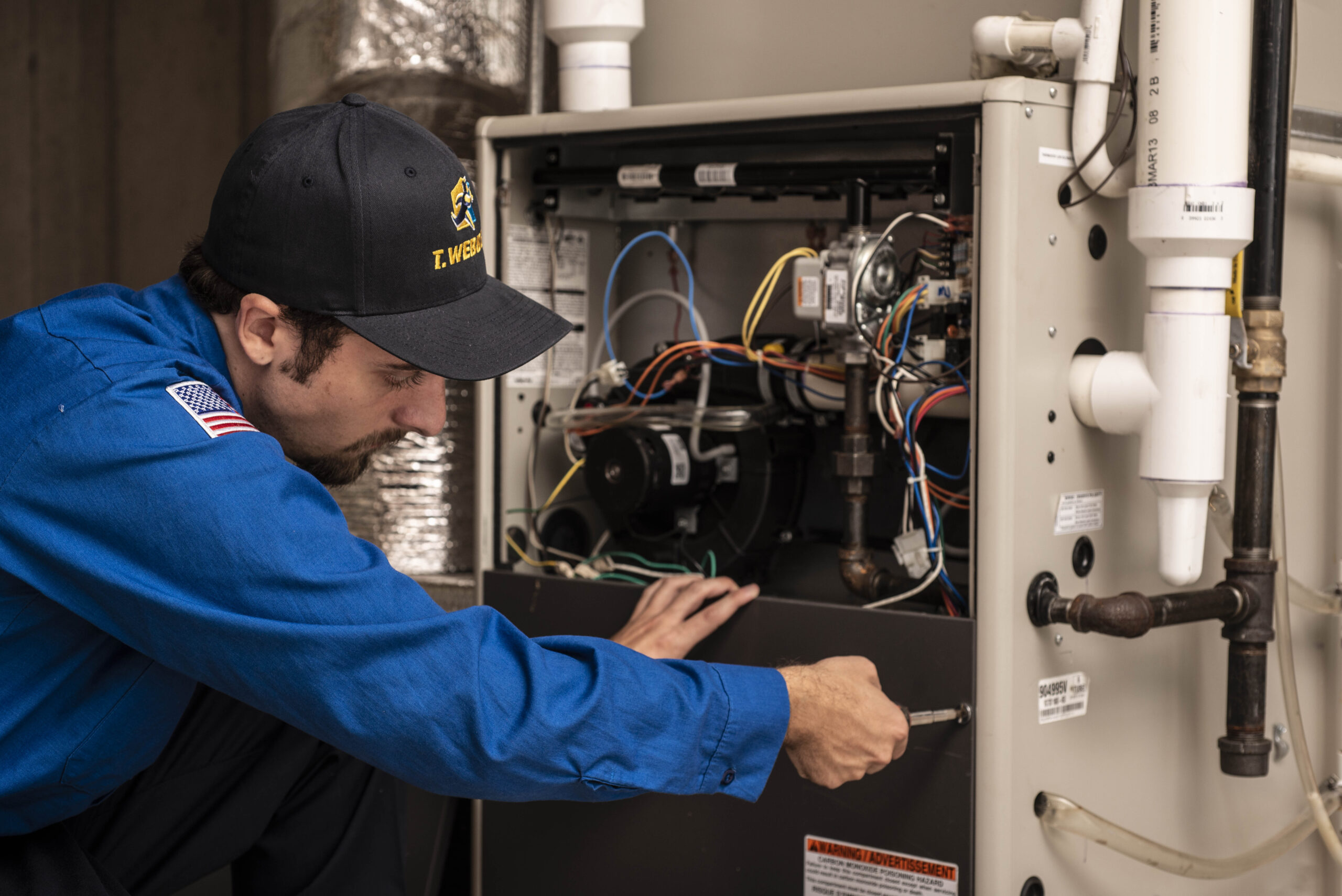
- Inspect burners: Dirty burners produce inefficient heat and can cause soot buildup. A technician can clean burners, adjust the flame, and test the sensor during a furnace tune-up.
- Check airflow: Confirm strong, warm airflow from every register. Weak airflow may indicate duct leaks, blower motor issues, or a blocked filter.
Safety Checks
Your furnace works 24/7 in the winter months. This constant strain can put the system at risk of a safety malfunction, making these safety checks an important part of winter furnace maintenance.
Test Carbon Monoxide Detectors
Carbon monoxide (CO) is a colorless, odorless gas that kills more than 400 people in the United States each year. Many of these incidents occur in winter when heating systems run continuously. CO furnace leaks come from cracked heat exchangers, blocked furnace exhaust vents, or incomplete combustion.
To ensure your home is protected:
- Replace batteries and press the “test” button to confirm the alarm is working.
- Verify the detector’s age; most units expire after 5 to 7 years, regardless of how they appear.
- Place detectors on every level of the home, especially near bedrooms and the furnace room.
If an alarm sounds, leave the home immediately and call emergency services.
Flue and Venting Inspections
The furnace flue directs combustion gases, including CO, out of your home. If it becomes blocked or damaged, these gases can backdraft into your living space. Here are the checks to make before and throughout winter:
- Look for blockages such as bird nests and snow. High winds and freezing rain in Poughkeepsie commonly clog exterior vents.
- Examine metal flues for rust, holes, warping, or loose connections.
- Make sure the flue cap is intact and secure; this component prevents debris and animals from entering the vent.
- For high-efficiency (90+ AFUE) furnaces with PVC intake/exhaust pipes, confirm that the pipes slope correctly, are securely glued, and remain free of frost buildup.
If you notice condensation streaks on the furnace cabinet or unusual furnace odors, call a technician. These may be early warning signs of venting issues.
Gas Line Inspections
Gas furnaces run on pressurized natural gas or propane supply lines, and even a small gas leak can create serious fire risks. These events are rare, but checking exposed gas lines for corrosion, kinks, or loose fittings prevents incidents. Use your senses as well. If you hear hissing sounds or smell sulfur, you may have a leak.
Never, ever use an open flame to test gas leaks. Only licensed professionals should perform pressure testing, and if you suspect a leak, shut off the furnace immediately, evacuate the home, and contact the local authorities.
Professional Furnace Maintenance Benefits
Certified technicians provide comprehensive inspections and make warranty-compliant fixes. They also offer expert winter furnace tips to help reduce costs and heat loss. With professional furnace maintenance, you get:
- Improved efficiency: Regular maintenance helps your furnace run with less energy and lowers heating costs.
- Longer lifespan: Routine care reduces wear, helping your system last years longer.
- Better comfort: A well-tuned furnace delivers steady, reliable heat all winter.
- Fewer breakdowns: Fixing small issues early prevents unexpected, expensive failures.
Why T.Webber Is the Trusted Choice in Poughkeepsie
Thousands of satisfied customers can attest to T.Webbers’ local expertise and fast service. We offer 24/7 emergency winter support and HVAC tune-ups, so you’re never left without heat. Contact T.Webber to schedule a tune-up and learn more about our services and recommendations on our blog.
FAQs
How often should I service my furnace?
The professionals at T.Webber recommend an annual service check in the autumn.
Can I do a DIY winter furnace check?
Yes, use this checklist to complete your own wintertime furnace check-up. Look for signs of damage and always contact a professional for an official furnace tune-up.
What signs indicate my furnace isn’t winter-ready?
Odd noises, strange smells, frequent short-cycling, and the age of the furnace all may indicate it needs to be checked over before winter.